Vent cleaning
Dryer vent cleaning and accessible exterior vent cleanup.
 TriangleHome Defense
Handyman & home services across Greater RDU
Repairs, maintenance and odd jobs around the house. From vent and gutter cleaning to screening, paint touch-ups and drywall repairs, Triangle Home Defense helps you take care of your home.
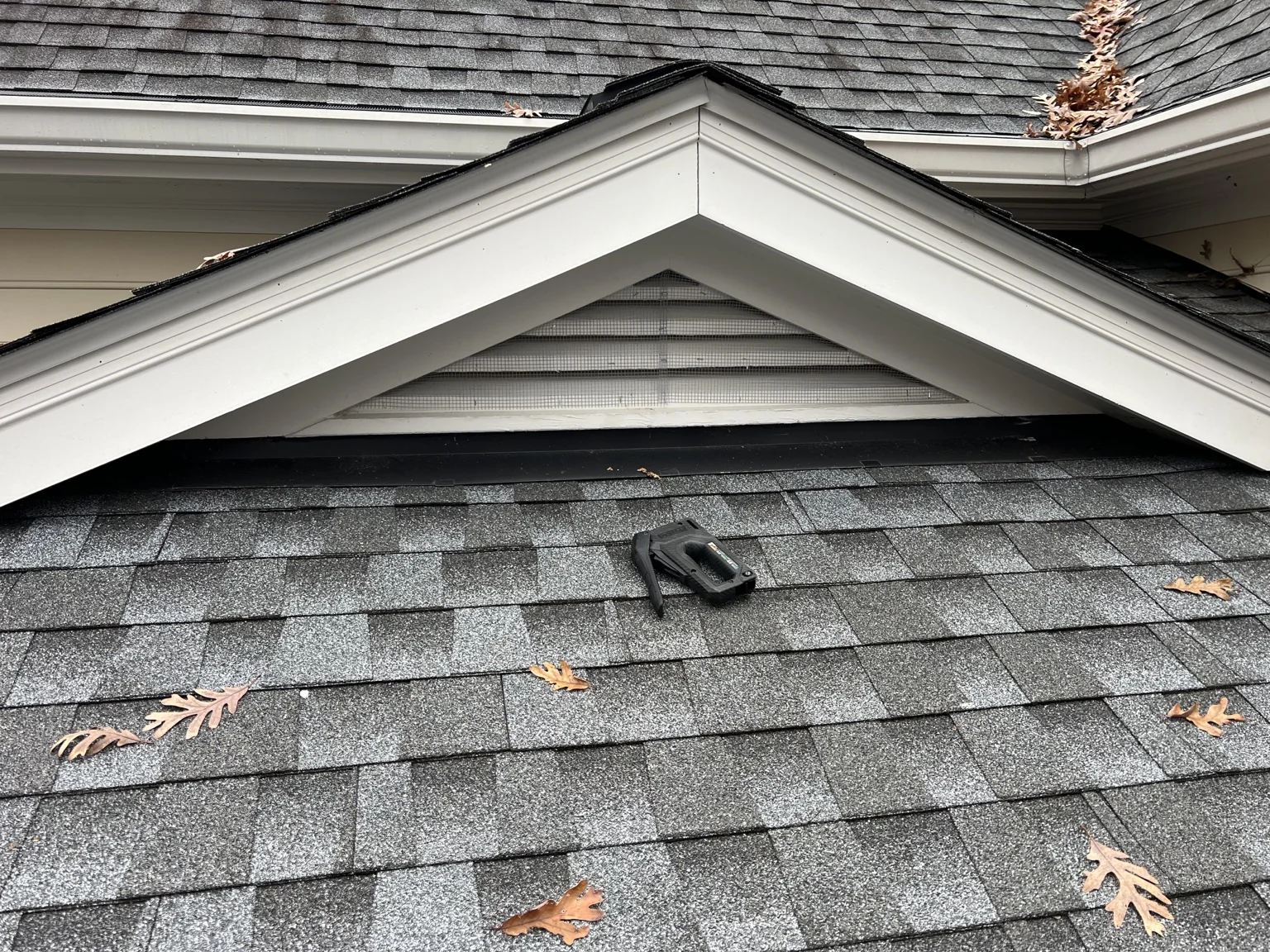
We will review the jobs together and confirm the scope and price before work begins.
General home services
One small fix or several jobs in one visit. Start with your list.
Dryer vent cleaning and accessible exterior vent cleanup.
Window and porch screen repairs, plus suitable vent screening.
Gutter and accessible downspout cleaning to keep water moving.
Small drywall patches, minor wall repairs and paint touch-ups.
Small repairs, maintenance and the household list you need a hand with.
More extensive work upon request. Send the details and we will review the scope.
Wildlife exclusion
Hearing scratching or seeing signs of animals? We inspect accessible rooflines, attics, crawlspaces and exterior openings to understand the activity and identify likely entry points.
From bats and squirrels to mice and other wildlife, we build the plan around the evidence, the animal and the property.
Active wildlife is addressed before openings are sealed, with work timed to species needs and applicable requirements.
Ask about wildlife exclusion →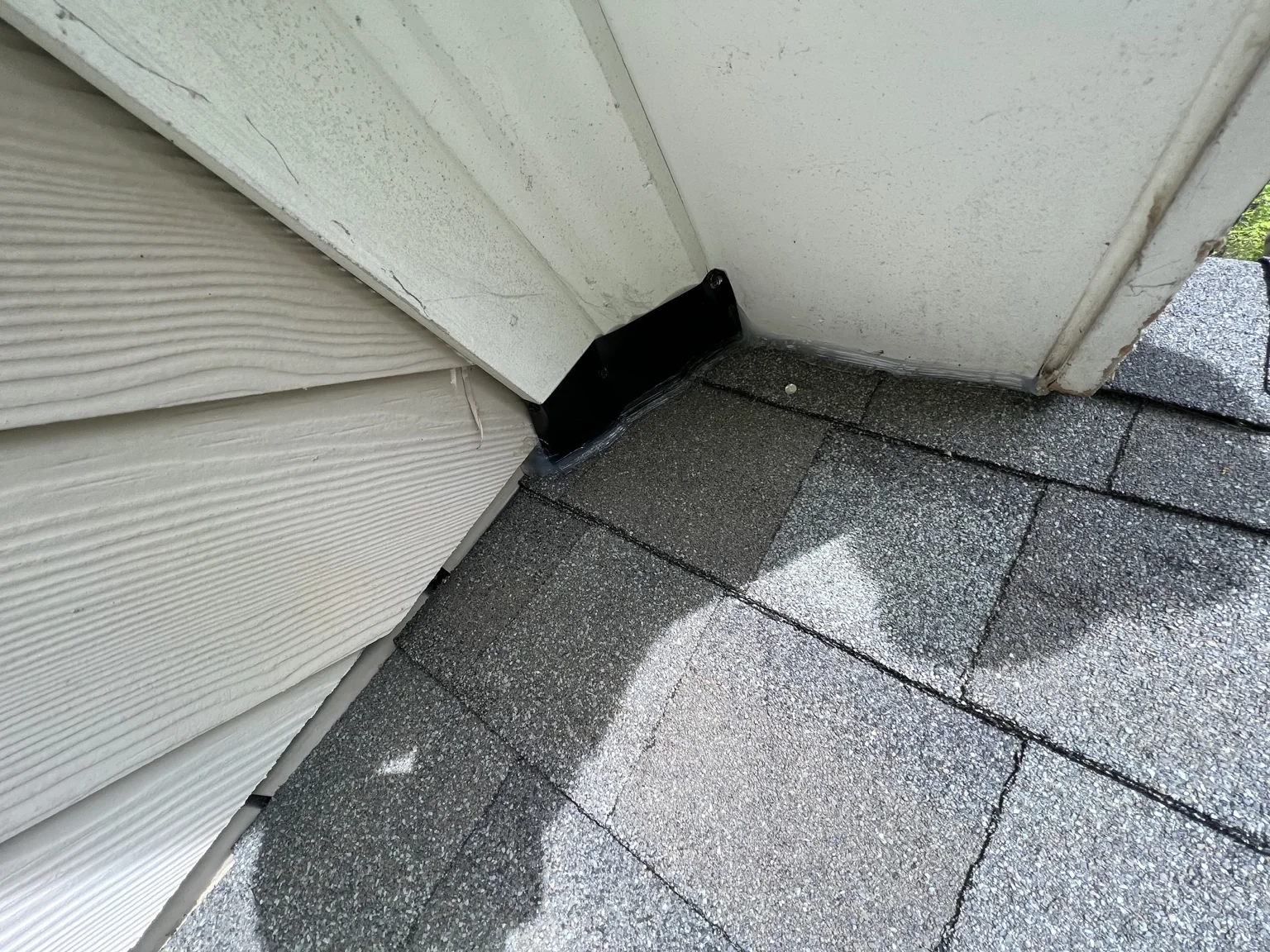
Simple from the start
Yes. Send your whole list with photos and your town or ZIP code. We will review what can be handled together and confirm the scope and price before work begins.
More extensive work is available upon request. We review the project, access and requirements first, then confirm what we can take on and whether a specialist is needed.
Yes. We inspect accessible areas for evidence and entry points, explain the findings, and recommend exclusion and related repairs. The plan depends on the animal, site conditions and applicable requirements.
We serve Greater RDU, with priority coverage south of Raleigh and along the US-1 corridor. Common routes include Fuquay-Varina, Apex, Cary, Garner, Clayton, Angier, Lillington, Sanford and Pittsboro. Call or text to confirm availability.
Let’s get your list moving
Send your list, a few photos and your town or ZIP code. We will follow up with the next step and scheduling options.
Serving Greater RDU, with priority coverage south of Raleigh and along the US-1 corridor. Fuquay-Varina, Apex, Cary, Garner, Clayton, Angier, Lillington, Sanford, Pittsboro and surrounding routes.